Paint protection film services provide one of the most reliable solutions for maintaining a vehicle's appearance by shielding it from scratches, rock chips, UV rays, bird droppings, and other environmental contaminants that can dull or damage paint over time. Despite their effectiveness, both vehicle owners and installers sometimes make avoidable mistakes—such as improper surface preparation, rushed application, or choosing lower-quality film—that can reduce the longevity and performance of the protective layer. Additionally, failing to follow recommended maintenance, like gentle washing techniques and avoiding harsh chemicals, can lead to premature peeling or discoloration. By understanding these common pitfalls and ensuring proper installation and care, vehicle owners can maximize the benefits of paint protection film services, keeping their cars looking pristine and preserving their resale value for years to come.
Choose the Right Film for Your Vehicle
One of the most frequent mistakes vehicle owners make is selecting a paint protection film without doing adequate research. Decisions based solely on surface-level factors overlook critical performance considerations such as film thickness, clarity, UV resistance, and compatibility with the vehicle's specific paint type. Manufacturers design their films with particular characteristics in mind, and ignoring compatibility guidelines can lead to poor adhesion, bubbling, or premature peeling. Reading product reviews, consulting professionals, and cross-referencing manufacturer recommendations are all essential steps toward making an informed selection.
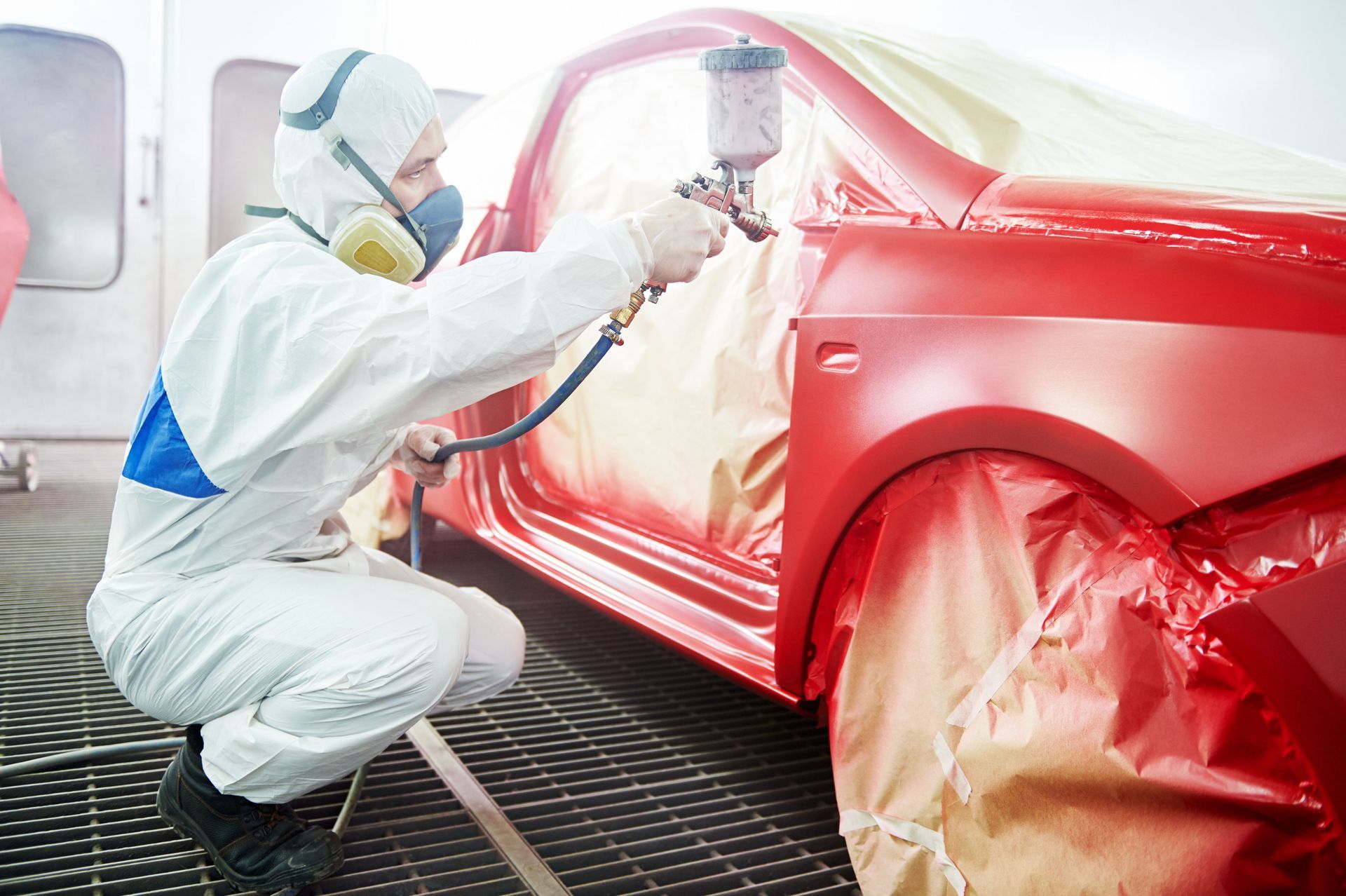
Environmental conditions also play a significant role in determining which film is appropriate. Regions with intense sun exposure require films with enhanced UV resistance, while areas with heavy road debris demand thicker, more impact-resistant options. Confusing paint protection film with vinyl wraps compounds this issue further — while both products enhance a vehicle's exterior, they serve fundamentally different purposes. PPF is engineered for physical and environmental protection, whereas vinyl wraps focus on cosmetic customization. Clarifying these distinctions from the outset ensures that the chosen product aligns with the owner's actual protection goals.
Prepare the Surface Thoroughly Before Application
Inadequate surface preparation is one of the leading causes of paint protection film failure. Applying film over a surface that has not been thoroughly cleaned traps dirt and contaminants beneath the film, leading to blemishes, reduced adhesion, and long-term damage to the underlying paint. A proper preparation routine includes washing, claying, and decontaminating the surface to remove all residual waxes, sealants, and oils that could interfere with the film's adhesive properties. Skipping any of these steps creates a compromised foundation that no amount of quality film can overcome.
Paint correction is another preparation step that is frequently overlooked. Applying film over existing scratches, swirl marks, or other surface defects locks those imperfections in place, making future correction far more difficult. Taking the time to address these issues before installation ensures that the film adheres to a smooth, flawless surface and performs at its full potential. Environmental conditions during application also matter — high humidity or improper temperatures can prevent the film from curing correctly, resulting in bubbles and lifting. Controlling the application environment is a detail that separates professional-quality results from avoidable failures.
Apply the Film With Professional Precision
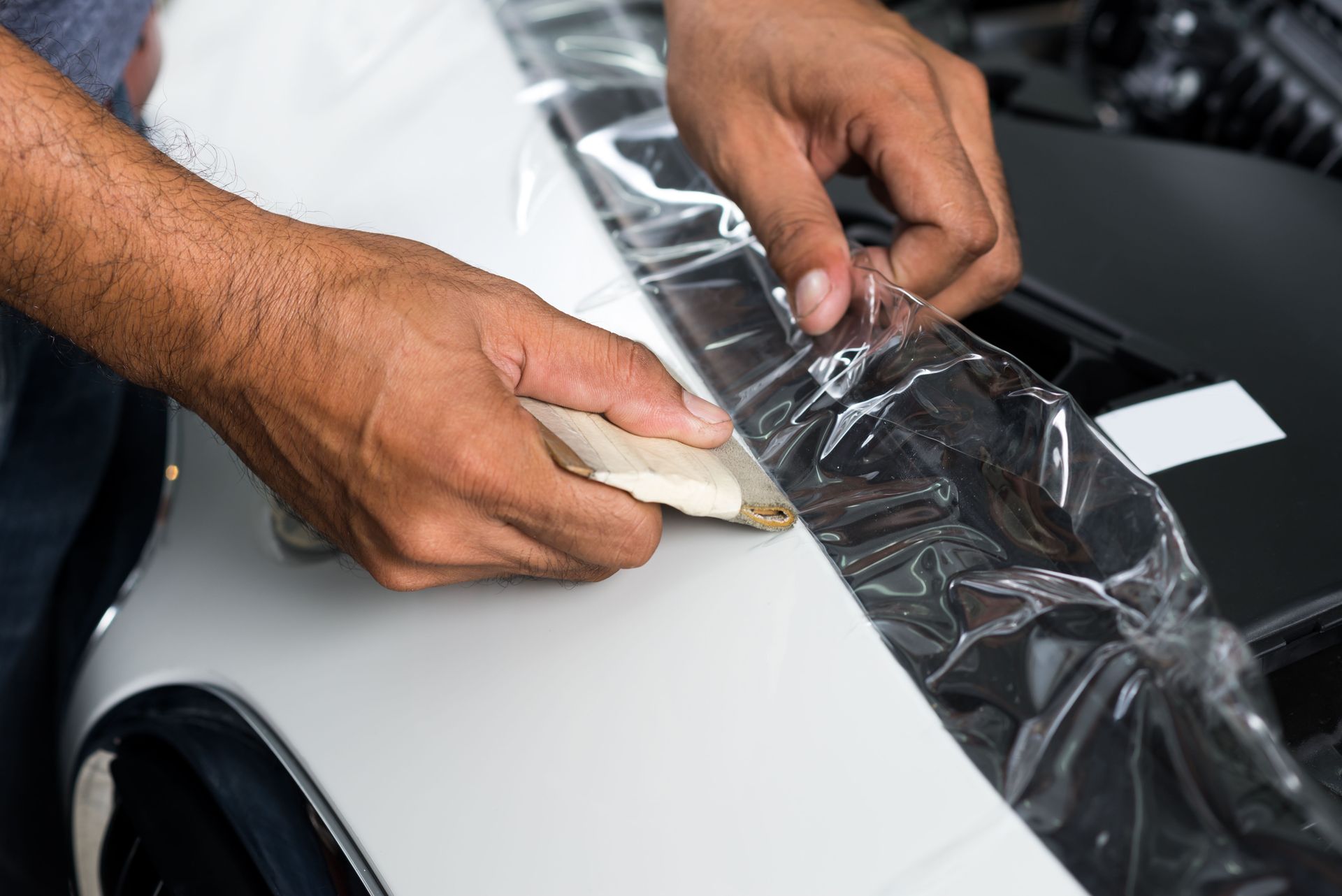
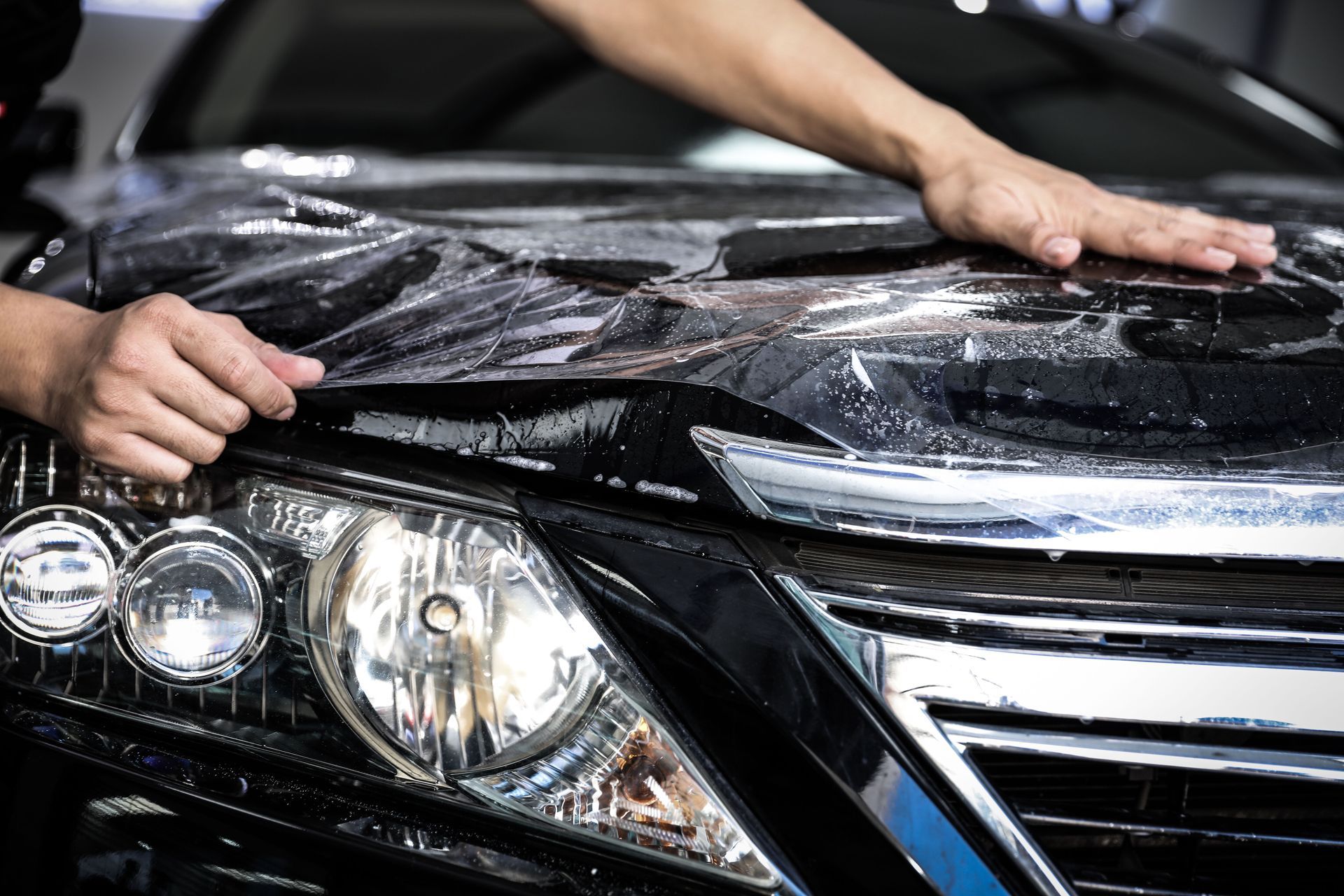
The quality of a paint protection film installation depends heavily on the skill and technique of the installer. Untrained or inexperienced technicians risk stretching, tearing, or misaligning the film during application, all of which undermine both protection and appearance. Professional installers bring the technical knowledge and hands-on experience necessary to navigate the complexities of PPF application accurately and efficiently. Choosing a qualified installer is not a step to take lightly — it directly determines the durability and aesthetic outcome of the finished product.
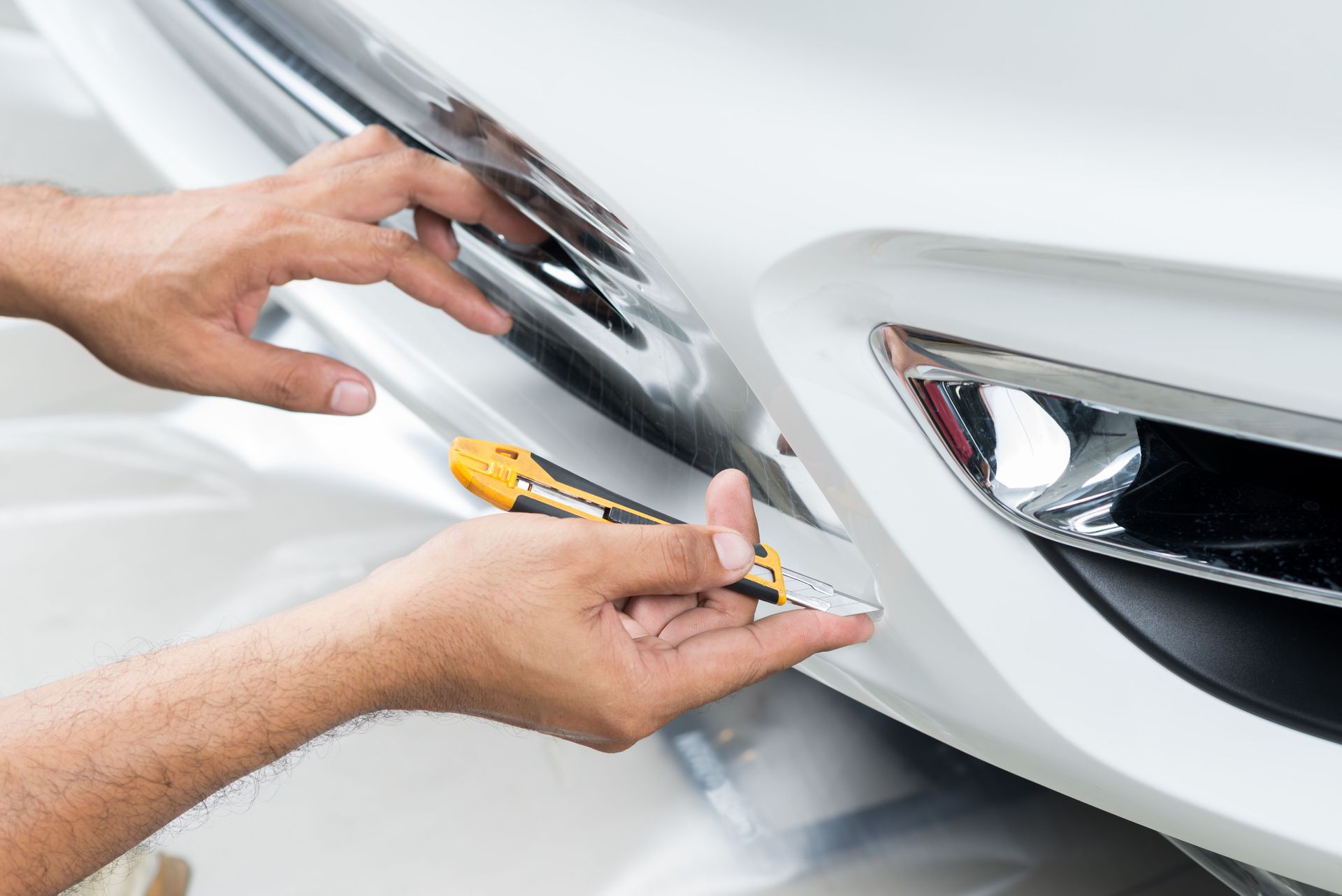
Rushing the installation process is another common mistake that leads to uneven coverage, misaligned edges, and poor long-term adhesion. Paint protection film services demand patience and methodical attention to detail at every stage of the process. Using improper tools compounds these issues, as specialized equipment is required to achieve clean edges and a seamless finish without damaging the film or the vehicle's surface. Securing edges properly is especially critical, as poorly adhered edges are the first areas to lift, allowing moisture and contaminants to work their way underneath the film and accelerate deterioration.
Maintain the Film to Preserve Its Performance
Even the highest-quality paint protection film services will fall short if the film is not properly maintained after installation. Using cleaning products that contain harsh chemicals not formulated for PPF is a widespread error that gradually degrades the film's clarity and protective properties. Vehicle owners should use cleaners specifically designed for PPF to maintain the film's integrity over time. Neglecting regular cleaning altogether allows road grime, pollutants, and environmental contaminants to build up on the surface, staining the film and diminishing its effectiveness as a protective barrier.
Minor damages such as small nicks, edge lifting, or surface scratches should never be ignored. Left unaddressed, these small issues expand and ultimately compromise the film's structural integrity. According to Exactitude Consultancy, the global paint protection film market is projected to reach significant new heights by 2029, driven by advances in material science and growing demand across the automotive, aerospace, and electronics industries — a clear reflection of how seriously the industry takes the performance and longevity of these products. Pressure washing requires equal care, as excessively high settings can lift edges or breach the film's surface. Moderate pressure and appropriate technique preserve the film's condition and prevent accidental damage during routine cleaning.
Understand Your Warranty and Its Requirements
Warranty misunderstandings are a surprisingly common source of frustration for vehicle owners who invest in paint protection film services. Many warranties contain specific conditions, maintenance requirements, and registration steps that must be followed to keep coverage valid. Failing to register the product after installation, neglecting prescribed maintenance routines, or delaying the reporting of issues can all result in voided claims. Taking the time to read and fully understand warranty terms before and after installation protects the investment and ensures access to support when it is needed.
Not all warranties are created equal, and assuming uniform coverage across different providers leads to gaps in expected protection. Some warranties offer broader inclusion of repair and replacement scenarios, while others contain significant exclusions that may only become apparent when a claim is filed. Comparing warranty terms across providers gives vehicle owners a clearer picture of what is and is not covered, enabling a more confident and fully informed decision. Prompt communication with the service provider when an issue arises is equally important — delays in reporting can result in claims being rejected, leaving the owner responsible for repairs that should have been covered.
Avoiding these common mistakes is essential to getting the most out of paint protection film services and ensuring your vehicle remains protected for years to come. From selecting the right film and preparing the surface correctly to choosing a skilled installer and maintaining the film diligently, every step in the process contributes to the quality and longevity of the final result. Attention to detail and informed decision-making at each stage are what separate a lasting, effective installation from one that falls short of expectations. If you are ready to protect your vehicle with professional paint protection film services done right, contact us at Elite Vehicle Protection * Powered by XPEL today. We will help you safeguard your vehicle's finish with expert installation and industry-leading protection you can depend on.